
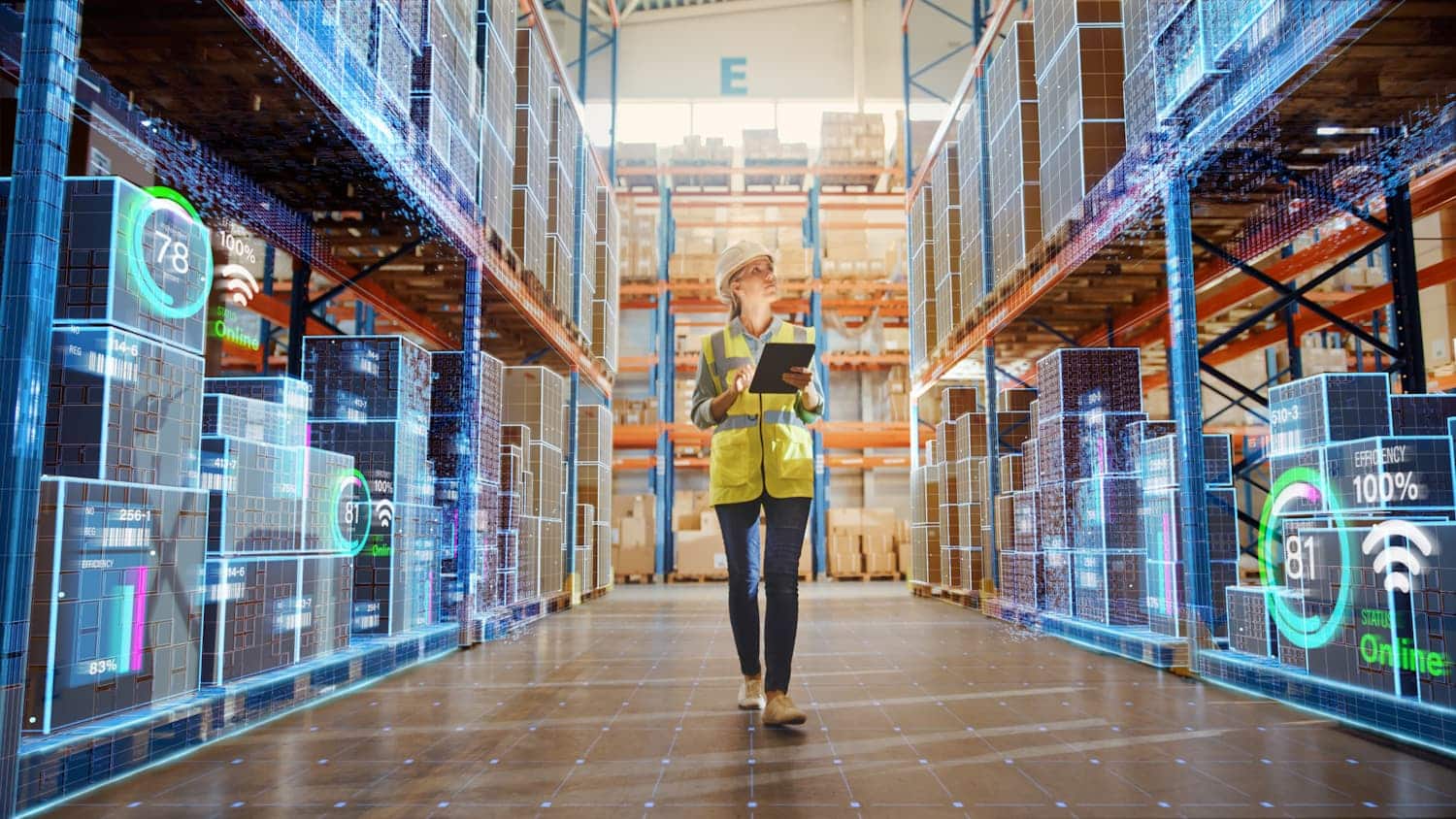
Retail infrastructure used to be simple. A few terminals, a basic network, and manual checks when something went wrong. That approach no longer fits how stores operate today. Devices are everywhere now, quietly supporting sales, displays, payments, and customer flow. Try and visit site for retail iot services to hold all of this together without creating more work for their teams.
Foundations of retail IoT networks
Retail IoT infrastructure starts with connectivity. Every device depends on a stable network that stays available throughout the day. Screens, kiosks, sensors, and machines all send data back and forth constantly.
Retail IoT services create a central layer that connects these devices securely. Instead of each tool operating on its own, everything reports to one system. That shared foundation makes monitoring easier and reduces surprises during busy hours.
Essential devices and connectivity tools
Retail spaces often use more connected devices than expected. Digital displays update offers. Sensors track movement or stock. Payment systems remain active nonstop. Even small stores rely on several systems working together.
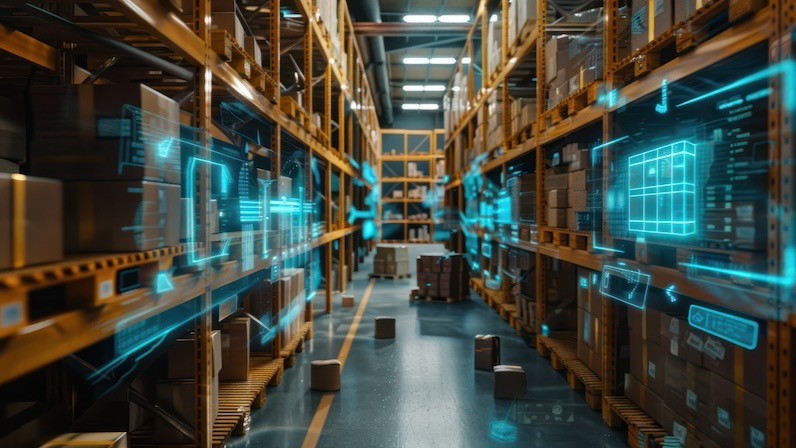
Retail IoT services support these devices through managed connectivity. The goal is not speed alone. It is stability. Devices should stay online even when demand increases or layouts change.
When connectivity is reliable, staff trust the systems and stop checking them constantly.
Securing retail systems against digital threats
Security concerns grow as more devices connect to networks. Each device is a possible entry point if not managed properly. That is why protection needs to be built into the infrastructure itself.
Retail IoT services often include controlled access and constant background monitoring. Managers can see which devices are active and spot unusual behavior quickly. This approach keeps systems protected without slowing down daily operations.
Security works best when it feels invisible but dependable.
Balancing cost with performance needs
Not every store needs the same setup. A small location may focus on payment reliability and signage. Larger stores may rely on dozens of devices across departments.
Retail IoT services allow flexibility. Stores choose infrastructure that matches real needs instead of paying for unused features. As operations grow, systems can scale without full replacements.
That balance keeps costs predictable while performance stays strong.
Technology should support retail work, not demand constant attention. That is why infrastructure matters more than individual devices. visit site for retail iot services, they provide the structure that keeps everything working together quietly.
When the foundation is strong, stores can focus on customers, not cables or connections. Small shops gain reliability. Large stores gain control. And both benefit from systems designed to grow without friction.
About the Author